Salt, Stone, & Citrus: Amalfi's Living Culinary Roots
By Editorial Bureau • Published Winter 2024
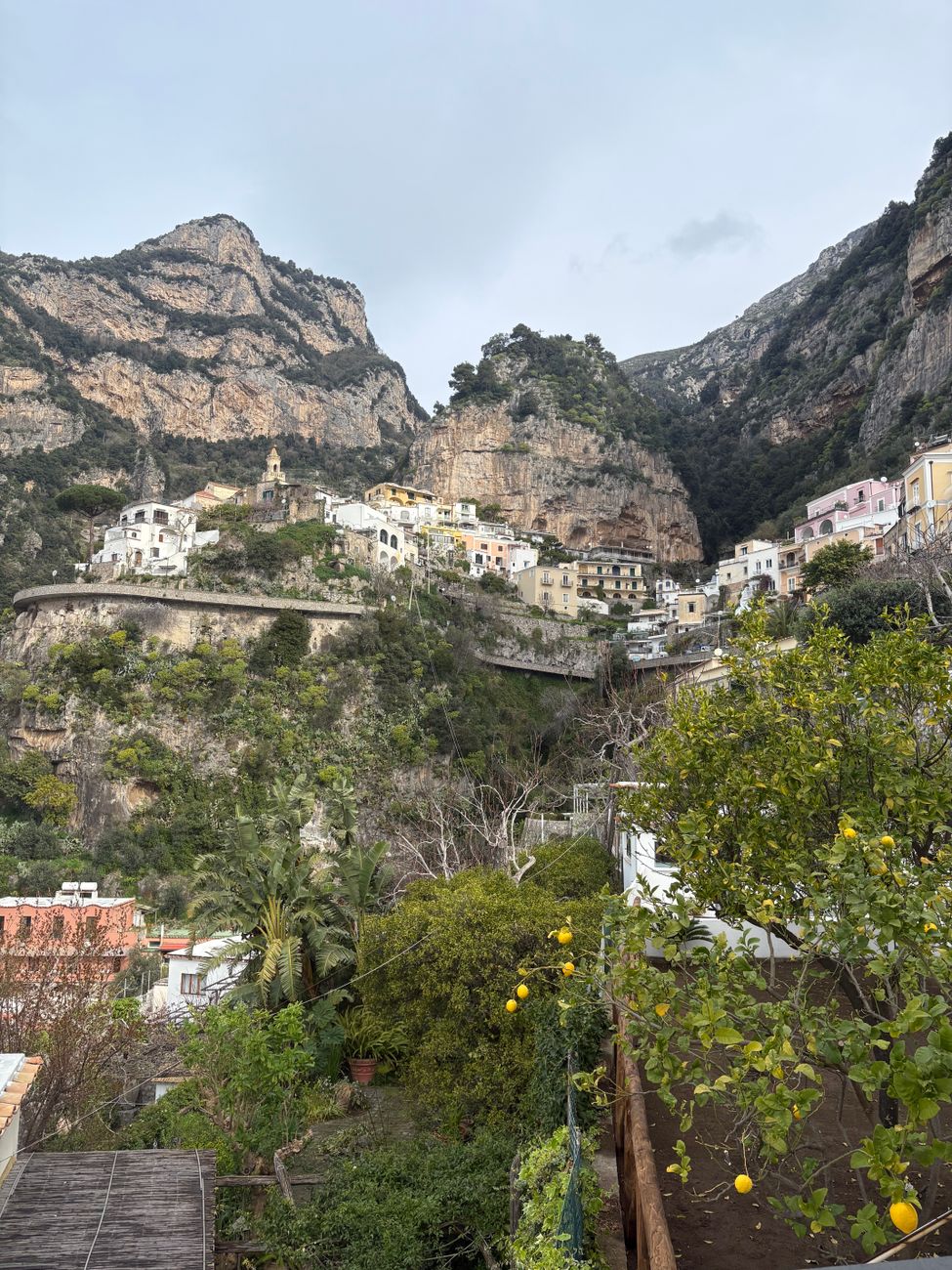
Climbing the ancient stone stairways that wind between Amalfi, Ravello, and Scala is a tactile encounter with human perseverance. Supported by dry stone masonry that dates back to the Republic of Amalfi in the eleventh century, the terraces cradle the prized Sfusato Amalfitano lemons.
1. The Sfusato Amalfitano: Fragrance Over Acidity
These are not typical supermarket lemons. Thick-skinned, perfume-heavy, and remarkably sweet, the fruit is eaten whole by growers—thinly sliced with olive oil, mint, and a pinch of sea salt. The volcanic minerality of the cliffs, coupled with coastal breezes, yields extraordinary essential oil concentrations.
"The lemon is the sun preserved through winter; without its terraced groves, this coast would have crumbled into the sea long ago."
2. The Quiet Cellars of Tramonti
Away from the crowded beach clubs, in the inland hills of Tramonti, pre-phylloxera vines still sprawl over wooden pergolas. Here, local families press red Tintore grapes into robust wines that pair effortlessly with handmade gnocchi and caciocavallo cheese.
Custom Gastronomic Route
Inquire for private vineyard introductions and secluded cliffside stays along Amalfi.